

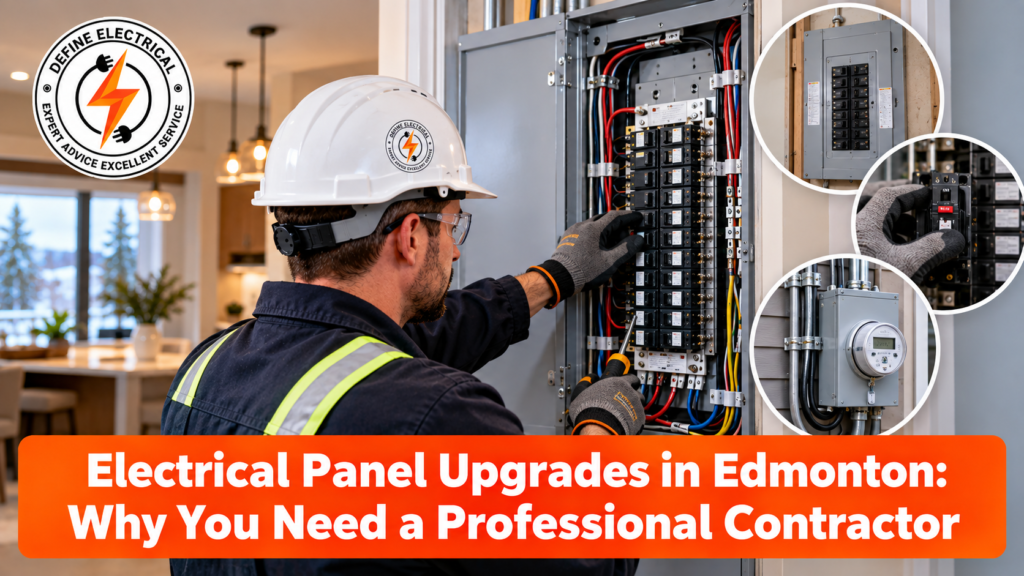
Electrical Panel Upgrades in Edmonton: Why You Need a Professional Contractor
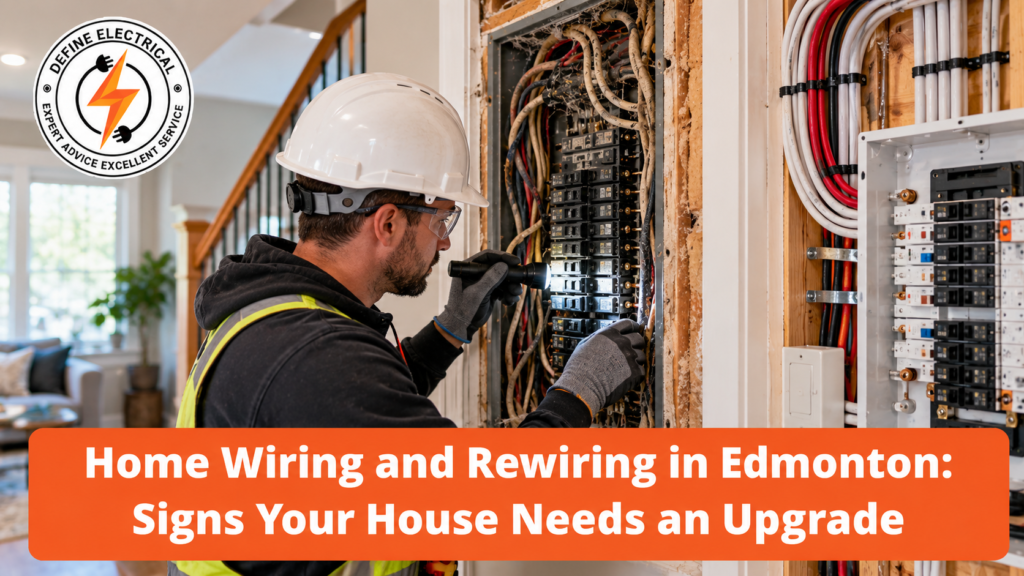
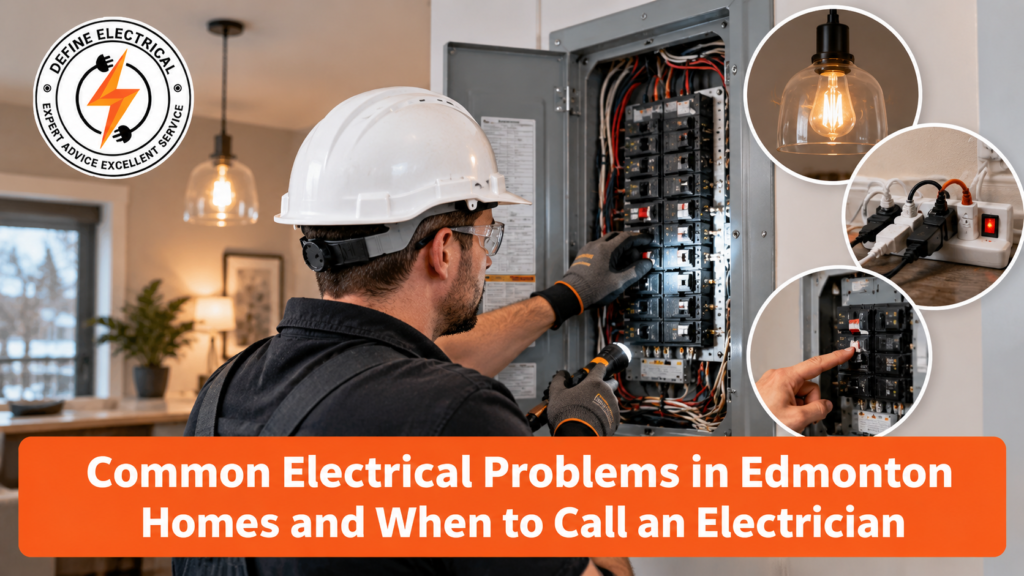
Modern homes use more electricity than older homes were designed to handle. Appliances, electric vehicle chargers, heat pumps, computers, home offices, entertainment systems, and other equipment can place greater demands on an electrical system. When the existing panel cannot safely handle that demand, an Electrical Panel Upgrade Edmonton may be the right solution. Your electrical panel is the central distribution point for electricity throughout your property. It sends power to individual circuits and provides protection through breakers. If the panel is outdated, damaged, undersized, or frequently overloaded, it should be evaluated by a qualified professional. For Edmonton homeowners, choosing the right contractor matters. Electrical panel work involves high-voltage equipment and must be completed carefully. A professional contractor can identify the underlying issue, recommend the appropriate solution, and complete the work safely. What Is an Electrical Panel Upgrade? An electrical panel upgrade involves improving or replacing the existing electrical distribution equipment to provide better capacity, safety, or functionality. The exact work depends on the property and its electrical requirements. In some cases, replacing the panel is enough. In other situations, the entire electrical service may need to be upgraded. Electrical Panel Upgrade vs. Panel Replacement These terms are related but can describe different work. An Electrical Panel Replacement Edmonton project generally means removing an existing electrical panel and installing a new one. This may be appropriate when the panel is damaged, obsolete, unsafe, or unsuitable for the property’s needs. An upgrade can involve replacing the panel while also improving capacity, circuits, breakers, or other components of the electrical system. A professional assessment determines which option is appropriate. What Is an Electrical Service Upgrade? An Electrical Service Upgrade Edmonton increases the electrical capacity available to a property. For example, a homeowner adding several high-demand electrical loads may need more capacity than the existing service can provide. Depending on the situation, the project can involve coordination with the utility, service equipment changes, and additional electrical work. The required solution should always be determined by a qualified electrical professional rather than by simply installing a larger panel. Signs You May Need an Electrical Panel Upgrade Not every electrical problem requires a new panel. However, several warning signs deserve professional attention. 1. Your Breakers Trip Frequently A breaker that trips occasionally can be normal when a circuit becomes overloaded. Frequent tripping, however, may indicate that your electrical system cannot comfortably handle the connected loads. Do not repeatedly reset a breaker without identifying the cause. 2. Your Lights Flicker or Dim Flickering lights can have several causes. Loose connections, overloaded circuits, defective fixtures, and electrical equipment can all contribute. If flickering occurs throughout the property, have the electrical system inspected. 3. The Panel Feels Hot An electrical panel should not become unusually hot. Heat, burning smells, discoloration, or visible damage can indicate a serious electrical problem. Turn to a qualified professional for an assessment instead of attempting to repair the panel yourself. 4. Your Home Has an Older Electrical System Older electrical systems may not provide the capacity or features expected by today’s homeowners. If you live in an older Edmonton property and plan a major renovation, appliance installation, or other electrical project, consider having the panel evaluated first. 5. You Are Adding High-Demand Equipment Electric vehicle chargers, electric heating systems, air conditioning equipment, workshops, and other high-demand loads can increase electrical requirements. A professional can calculate the expected load and determine whether your existing service is adequate. Why You Should Hire a Professional Contractor Electrical panel work is not a suitable DIY project. The panel connects directly to the property’s electrical service, making mistakes potentially dangerous. Professional Load Assessment A contractor can evaluate the property’s electrical demand before recommending an upgrade. This assessment helps determine whether you need additional circuits, a panel replacement, or a complete Electrical Service Upgrade Edmonton. Proper Equipment Selection Electrical panels, breakers, wiring, and related components must be compatible with the electrical system. A professional can select equipment appropriate for the property’s requirements and installation conditions. Safer Installation Improper electrical work can create risks such as electric shock, equipment damage, overheating, and electrical fires. Professional installation reduces these risks and ensures the work is completed according to applicable requirements. According to the National Fire Protection Association, electrical distribution and lighting equipment are involved in a significant share of reported home fires in the United States. Code and Permit Considerations Electrical work may require permits, inspections, and compliance with applicable provincial and local requirements. A qualified contractor can help determine what approvals are required for the project and coordinate the work appropriately. Benefits of a Modern Electrical Panel A properly planned panel upgrade can provide several practical benefits. Improved Electrical Capacity A modern electrical system can better support today’s appliances and technology when the service capacity is appropriate. Better Circuit Management Additional circuits can help distribute electrical loads more effectively. This can be especially useful during renovations or when adding new equipment. Enhanced Safety Modern electrical equipment can provide appropriate overcurrent protection and improve the overall organization of the electrical system. Greater Reliability An appropriately sized electrical system can reduce problems caused by overloaded circuits and insufficient capacity. Support for Future Upgrades If you are planning an EV charger, home addition, basement renovation, or other major project, upgrading the electrical system may help prepare the property for future electrical requirements. How the Electrical Panel Upgrade Process Works A professional contractor generally follows a structured process. Step 1: Electrical Assessment The contractor examines the existing panel, service equipment, wiring, circuits, and electrical loads. Step 2: Determine the Required Capacity The contractor evaluates current and anticipated electrical demand. This helps determine whether the property requires a panel replacement, additional circuits, or a broader service upgrade. Step 3: Recommend the Solution The contractor explains the recommended work, equipment, expected project scope, and any relevant permit or inspection requirements. Step 4: Complete the Installation The old equipment is removed where appropriate, and the new panel and related components are installed according to the project’s requirements.
Electrical Panel Upgrades in Edmonton: Why You Need a Professional Contractor Read More »