


Short answer: Knob and tube wiring is generally not considered safe for modern homes. It was designed for much lower electrical demand, has no ground wire, and its insulation can break down with age. If your Edmonton home has it, an inspection is the first step, and in most cases a full replacement is the safest long-term solution.
Many older Edmonton homes have beautiful character, but some also have wiring that is nearly a century old. If you are buying, renovating or simply worried about an older house, you may be asking: is knob and tube wiring safe? This guide explains what it is, the risks, the warning signs, and what knob and tube wiring replacement Edmonton homeowners should expect. You will also learn when to call a professional.
What Is Knob and Tube Wiring?
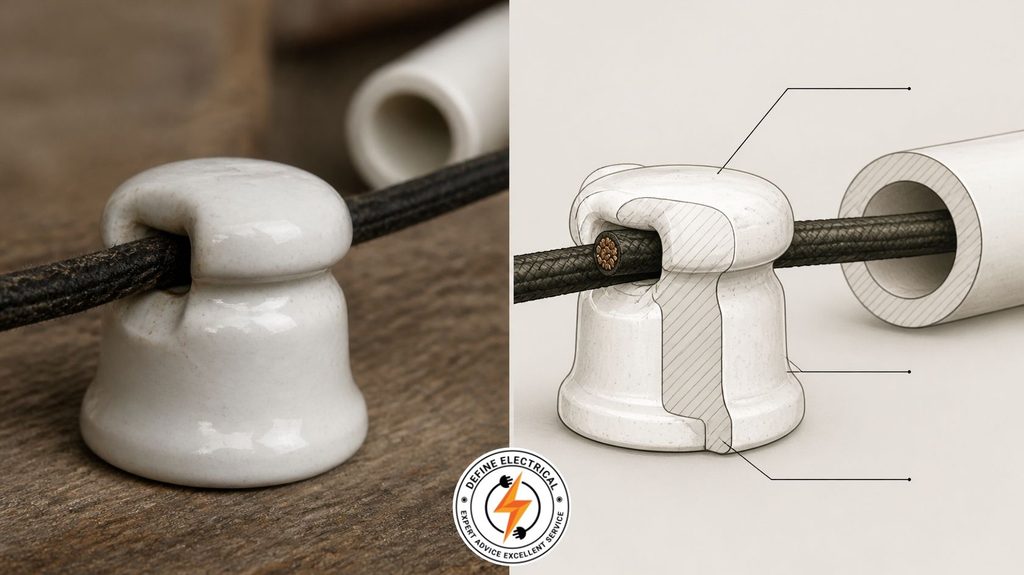
Knob and tube wiring is an early electrical system used in homes built in the first half of the 20th century. Individual wires run through the walls and attic, held in place by ceramic knobs and passed through ceramic tubes. The air around the wires helped them stay cool.
For its time, it worked well. The problem is that homes today use far more electricity than homes did decades ago. Computers, kitchen appliances, space heaters and EV chargers all place demands on the system that it was never built to handle.
Is Knob and Tube Wiring Safe?
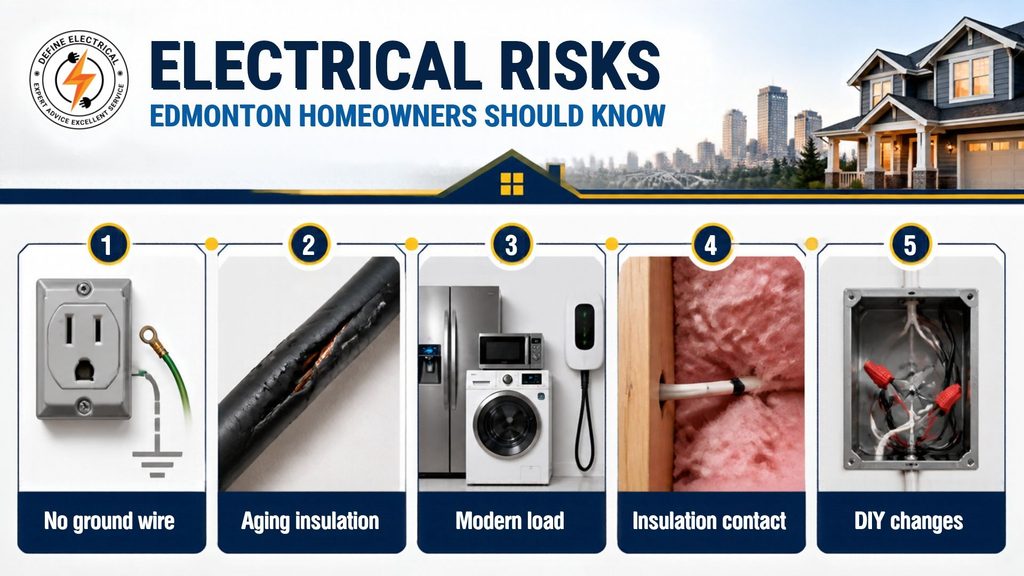
Usually, no. Not every knob and tube system is an immediate danger, but several built-in problems make it risky today:
- No ground wire: Modern wiring includes a ground path that helps prevent shocks. Knob and tube does not.
- Aging insulation: Old rubber and cloth insulation becomes brittle, cracks and can expose live wires.
- Not built for modern loads: Overloaded circuits can overheat.
- Insulation contact: The wiring was designed to release heat into open air. Attic or wall insulation placed around it can trap heat and create a fire risk.
- Past DIY changes: Many old systems have been spliced or extended by non-professionals over the years.
Because of these risks, a licensed professional should inspect any home that still has this wiring. Do not assume it is fine just because the lights still work.
Signs Your Edmonton Home May Need Electrical Rewiring
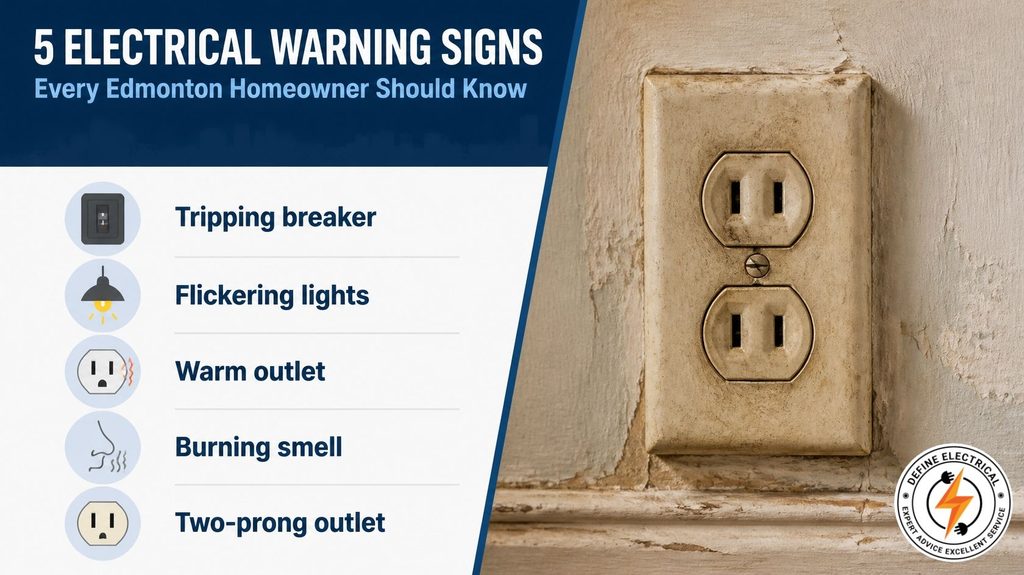
Old wiring often gives warning signs before a serious failure. Watch for these:
- Breakers that trip often, or fuses that blow regularly
- Lights that flicker or dim when appliances start
- Outlets or switches that feel warm
- A burning or hot-plastic smell near outlets or walls
- Buzzing or crackling sounds inside walls
- Only two-prong outlets throughout the house
- Scorch marks around outlets or switch plates
- Frequent use of extension cords because there are not enough outlets
If you notice any of these, stop using that circuit and arrange an inspection. Our guide to the top 7 signs you need a residential electrician in Edmonton covers more warning signs worth knowing.
How Do You Know If You Have Knob and Tube Wiring?
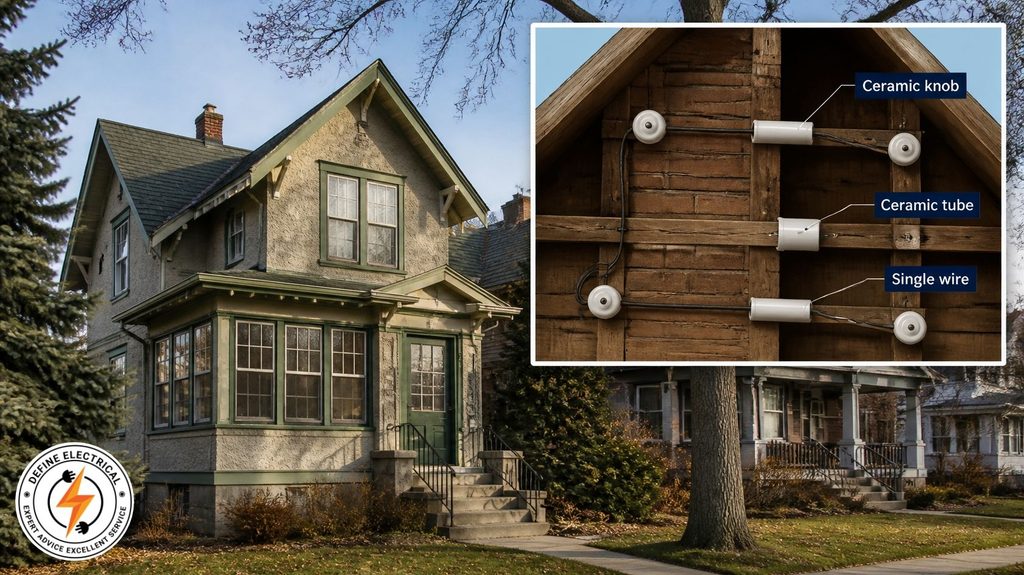
You can often spot it yourself without touching anything:
- Check the age of the home. Houses built before the mid-1900s are the most likely candidates.
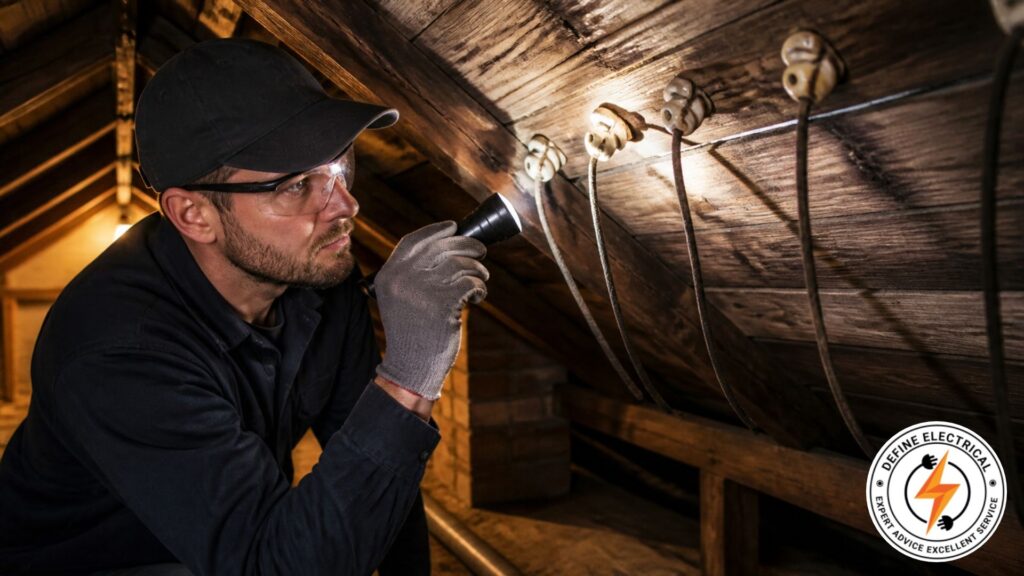
- Look in the attic or unfinished basement. Individual wires running on ceramic knobs are easy to recognize.
- Check your outlets. Two-prong outlets with no ground are a clue, although they do not prove it on their own.
- Review inspection reports. If you are buying a home, the report may mention it.
Never open walls or touch the wiring yourself. Only a qualified electrician should confirm what is in your home.
What Happens During an Electrical Inspection?
An inspection tells you how much of your home still has old wiring and what condition it is in. A qualified electrician will typically:
- Inspect the panel, outlets and accessible wiring
- Check for signs of overheating, damage and unsafe changes
- Review how much load your circuits are carrying
- Explain which areas are a priority
- Give you a clear plan and quote
If your problems are smaller, such as a faulty outlet or an overloaded circuit, our electrical repair service in Edmonton may be all you need to start.
Knob and Tube Wiring Replacement: What to Expect
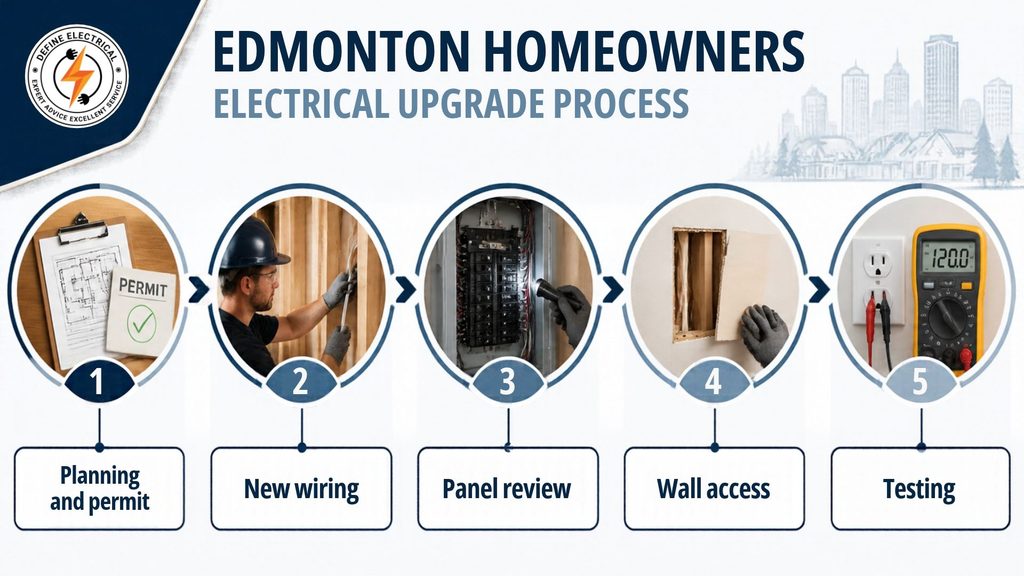
Replacement means removing the old wiring and installing modern, grounded wiring throughout the affected areas. The exact process depends on your home, but most projects include:
- Planning and permits: Electrical work in Alberta generally needs a permit and inspection.
- New circuits and wiring: Modern cable replaces the old runs.
- Panel review: Your panel may need updating to support the new system.
- Access work: Walls, ceilings or floors may need to be opened, then repaired.
- Testing and inspection: The new system is tested and inspected.
The cost and time depend on the size of your home, how easy the wiring is to reach and how much work the panel needs. A site visit is the only reliable way to get an accurate quote. If budget is a concern, take a look at our finance options.
Panel Upgrades and Basement Wiring
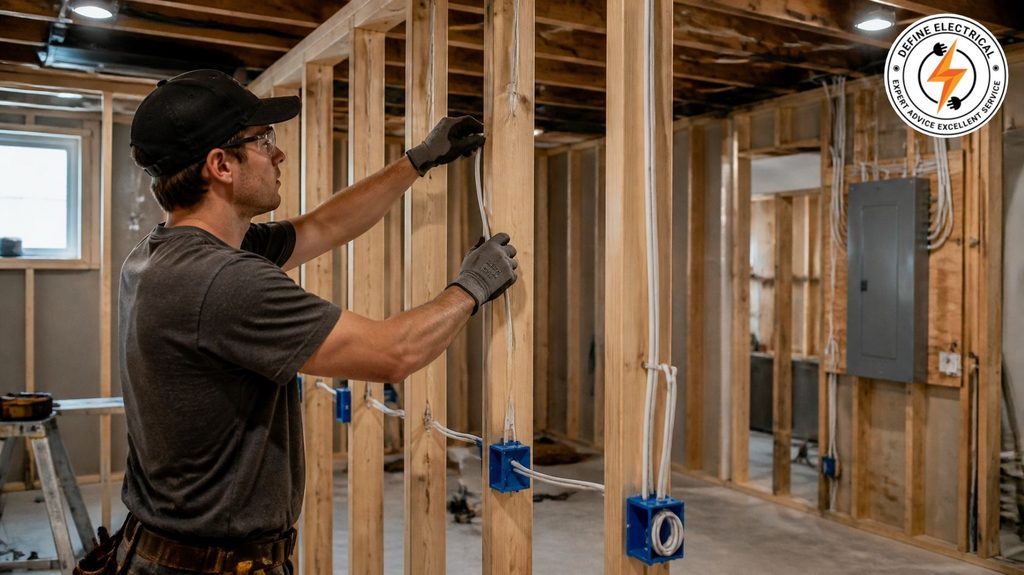
Rewiring is often a good time to look at your panel. Old panels may not have enough capacity for new circuits. In some homes, a Load Miser panel can help manage your electrical load without a larger service upgrade. Your electrician can tell you whether it suits your home.
Basements deserve special attention too. Many Edmonton homeowners finish their basements to add bedrooms, suites or entertainment space. Proper basement electrical wiring Edmonton homes need should meet current code. If your basement project connects to older wiring, it is smart to have the whole system checked before you close up the walls. That avoids paying twice for the same work.
Why Edmonton Homeowners Should Not Wait
Edmonton winters put extra stress on older electrical systems. Heaters, block heaters and extra lighting run for long hours in cold months. Wiring that handles light use in summer can struggle in January.
There are also practical reasons to act early. Some insurance companies ask questions about knob and tube wiring or may place conditions on coverage, so it is worth checking with your insurer. Replacing it before a sale or renovation can also make the process smoother. A small problem found early costs much less than an emergency. If something does go wrong after hours, our 24/7 electrician in Edmonton team can respond, and you can learn what counts as urgent in our guide to the top 5 electrical emergencies.
How to Choose the Right Electrician for Rewiring
Rewiring is a major project, so the electrician you choose matters. Look for:
- Proper licensing: Work should follow Alberta safety codes.
- Experience with older homes: Old wiring comes with surprises.
- A master electrician Edmonton homeowners can trust: Senior expertise helps on complex jobs.
- Clear, itemized quotes: You should know what is included.
- Good local reviews: Real feedback shows reliability.
Read our guide on hiring a licensed Edmonton electrician and learn more about our certified master electrician. If you are planning a bigger upgrade, the article on smart home upgrades with Edmonton electrical contractors may help you plan. You can also see what customers say on our reviews page.
Looking for a local electrical contractor in Edmonton? You can get directions to Define Electrical on Google Maps to view our business profile and location before you book a wiring inspection.
Frequently Asked Questions
Is knob and tube wiring dangerous?
It can be. It has no ground wire, its insulation can crack with age and it was not built for modern electrical loads. A professional inspection will tell you the actual condition in your home.
Is knob and tube wiring illegal in Alberta?
It is not automatically banned in existing homes, but new work must follow current code. Rules and insurance requirements can change, so confirm with a licensed electrician and your insurer.
How do I know if my Edmonton home has knob and tube wiring?
Homes built before the mid-1900s are the most likely to have it. Look for ceramic knobs and single wires in the attic or basement, and two-prong outlets. A licensed electrician can confirm it safely.
Can knob and tube wiring be left in place?
In some cases, small sections that are in good condition may stay while the rest is upgraded. It should never be buried in insulation or extended. An electrician can advise what is acceptable for your home.
How much does knob and tube wiring replacement cost in Edmonton?
Cost depends on the size of the home, how easy the wiring is to reach, panel needs and the permits required. A site inspection is the only way to get a reliable quote.
How long does rewiring take?
It varies. A small section may take days, while a whole-house project takes longer. Your electrician can give a realistic timeline after inspecting the home.
Do I need a permit to replace old wiring?
In most cases, yes. Electrical work in Alberta generally requires a permit and inspection. A licensed electrician normally handles this for you.
Book Your Wiring Inspection in Edmonton
Do not wait for old wiring to become an emergency. Define Electrical LTD. can inspect your home and explain your options clearly. Explore our residential electrical services, see our service areas, or contact us today to book an inspection.
Call: (780) 863-2809
Email: sales@defineelectrical.ca
Address: 707 Wildwood Point NW, Edmonton, Alberta T6T 0B2